
Some diseases of the colon require removal of a segment of bowel. Robotic and laparoscopic techniques can allow selected colon operations to be performed through small incisions while following the same surgical principles used in open surgery.
The need for surgery depends on the diagnosis, severity of symptoms,
response to nonoperative treatment, and findings from colonoscopy and imaging.
Robotic colon surgery is a minimally invasive approach in which the surgeon controls robotic instruments through small incisions. The technology offers enhanced dexterity, 3D visualization and precise dissection in tight spaces. It may be used for selected colon resections, including right colectomy, left colectomy, sigmoid colectomy and other procedures depending on the diagnosis.
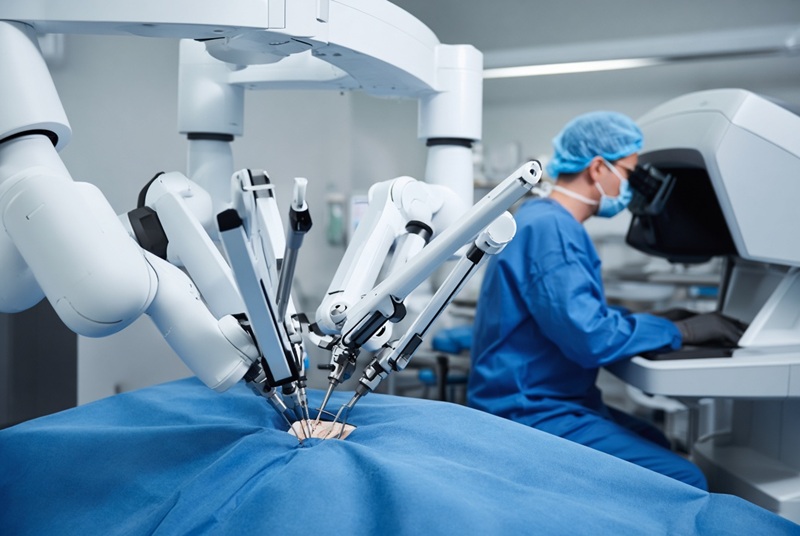
3D visualization and robotic instruments help improve accuracy in complex anatomy.
Minimally invasive technique using small incisions instead of a large open cut.
Many patients experience less pain and discomfort.
Most patients experience a shorter hospital stay compared to open surgery.
Earlier return to normal activities for many patients, depending on the procedures.
Reduced blood loss during surgery in appropriately selected patients.
Robotic colon surgery may be considered when:
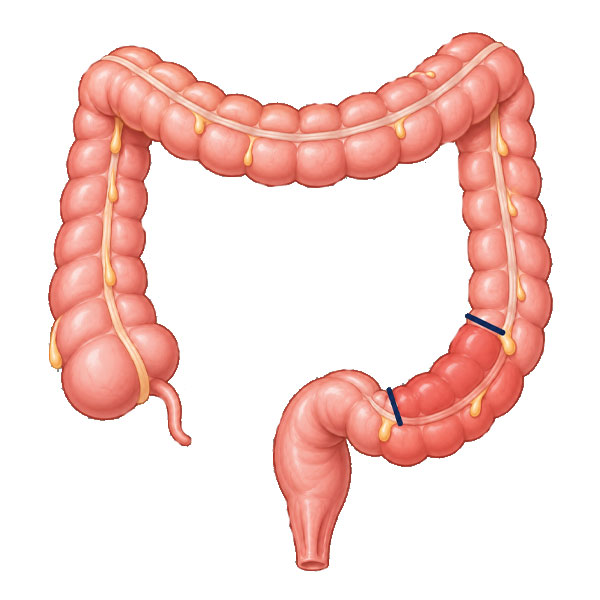
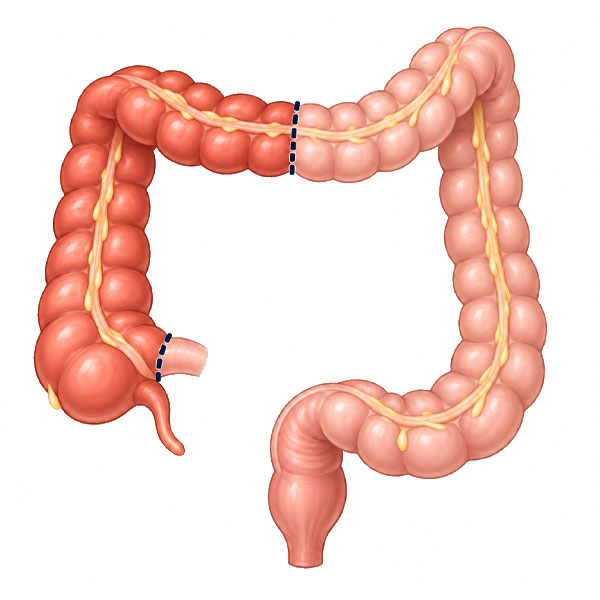
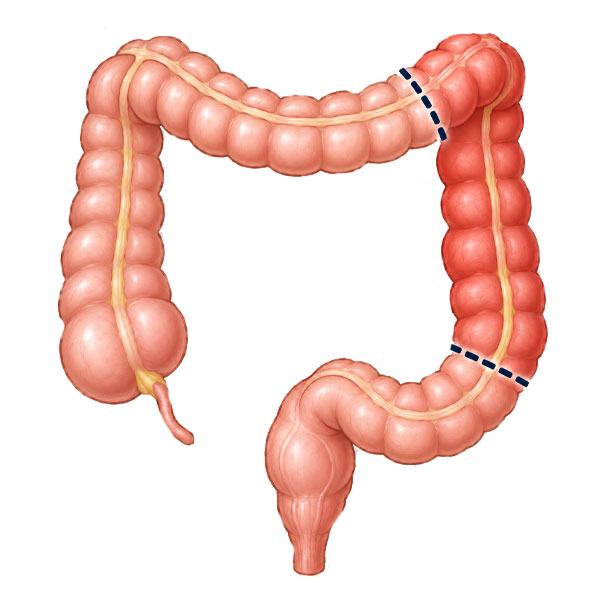
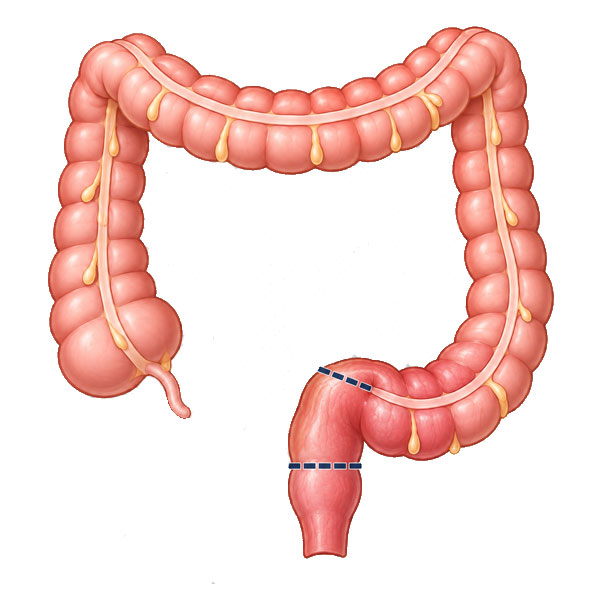
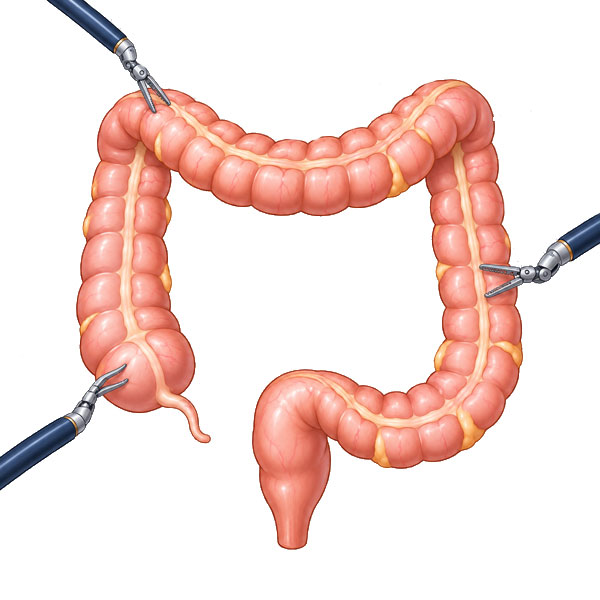
The diseased portion of the colon is removed and, when appropriate, the healthy ends of the bowel are reconnected. The exact operation depends on which segment of the colon is involved and the underlying diagnosis.
Robotic colon surgery can provide three-dimensional visualization and articulated instruments that may be useful for precise dissection and suturing in confined spaces. Whether a robotic, laparoscopic, or open approach is most appropriate depends on the disease, anatomy, prior surgery, urgency, and complexity of the operation.
Preoperative evaluation may include colonoscopy, pathology review, CT imaging, laboratory testing, and medical optimization. When cancer is suspected or confirmed, staging and oncologic planning are important before surgery.
Recovery varies according to the operation and the patient's overall health. Modern recovery pathways emphasize early walking, appropriate pain control, gradual advancement of diet, prevention of blood clots, and careful monitoring of bowel function.
Potential risks include bleeding, infection, injury to nearby organs, anastomotic leak, abscess, bowel obstruction, ileus, blood clots, hernia, need for temporary or permanent ostomy in selected cases, conversion to open surgery, and anesthesia-related complications.
WE review your symptoms, medical history and perform a physical exam and any necessary tests.
Imaging, lab work and other evaluations help us create a personalized surgical plan.
The procedure is performed using small incisions with robotic presicion.
We focus on your comfort, early mobilization and gradual return to normal activities.
We monitor your recovery and support your every step of the way for the best outcome.
Not necessarily. Many colon operations are completed by removing the diseased segment and reconnecting the bowel without a colostomy. A temporary or permanent ostomy may be needed in selected situations, such as severe infection, obstruction, emergency surgery, very low bowel connections, or when a safe reconnection cannot be made. This is usually discussed before surgery whenever possible.
Yes. Many episodes of uncomplicated diverticulitis are managed without surgery using observation, diet modification, medications when appropriate, and follow-up. Surgery may be considered for recurrent or complicated disease, narrowing or obstruction, fistula, abscesses that cannot be adequately managed without surgery, or persistent symptoms affecting quality of life.
Yes, in appropriately selected patients. Robotic and laparoscopic techniques can be used for many colon cancer resections while following the same oncologic principles required for cancer surgery. The choice between robotic, laparoscopic, and open surgery depends on tumor location and stage, anatomy, prior operations, urgency, and the complexity of the case.
Hospital stay varies with the operation, the reason for surgery, and the patient’s overall health. After an uncomplicated minimally invasive colectomy, many patients stay several days while bowel function returns, pain is controlled, and diet and activity are advanced. More complex or emergency operations may require a longer stay.
Diet is usually advanced gradually as bowel function recovers, beginning according to the surgical team’s postoperative plan. Walking is encouraged early. Return to work, exercise, and unrestricted activity depends on the operation, complications, occupation, and individual recovery and generally occurs progressively over the following weeks.

The presence of a condition does not automatically mean that surgery is necessary or that a robotic approach is best. Treatment should be based on symptoms, diagnostic findings, anatomy, prior operations, overall health, and the expected risks and benefits of each option.
This page is for general educational purposes and does not replace individualized medical advice. The appropriate treatment and surgical approach depend on the patient’s diagnosis, anatomy, medical history, prior operations, and other clinical factors. A physician-patient relationship is established only after an appropriate clinical evaluation and acceptance into care.